Best American Roulette Alternatives | Why Single Zero Pays More
American Roulette is a thrilling classic, but its double-zero wheel gives the house a hefty 5.26% edge. Savvy players worldwide are abandoning it in droves, hunting for smarter ways to spin. Enter the world of Best American Roulette Alternatives — a universe where a single zero transforms your odds, your payouts, and your entire gaming destiny. 🎰
The Mathematical Bloodbath of Double Zero
Let's dissect the brutal arithmetic. An American wheel carries 38 pockets: numbers 1-36, plus 0 and 00. Your straight-up bet pays 35:1, yet true odds sit at 37:1. That gap is the house's silent tax. Over 100 spins, a $10 straight-up wager bleeds roughly $52.60. Compare that to European Roulette's 2.70% edge — nearly half the damage. The Single Zero advantage isn't a gimmick; it's pure probability engineering that rewards informed decision-makers.
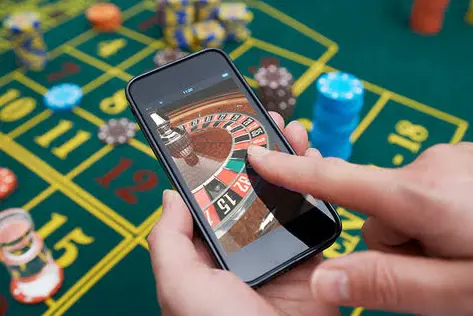
European Roulette: The Gold Standard Alternative
European Roulette strips away the 00, leaving 37 pockets. The house edge plummets to 2.70%. On even-money bets like Red/Black, the edge drops further to just 1.35% when utilizing the En Prison or La Partage rule. This rule returns half your even-money wager when the ball lands on zero — a lifeline the American variant cruelly omits. Seasoned bettors recognize this as the single most impactful rule variation in the entire roulette ecosystem.
French Roulette: Where Elegance Meets Edge Reduction
French Roulette mirrors European layout but amplifies player protection through La Partage and En Prison on all even-money propositions. The theoretical return to player (RTP) climbs to 98.65% on standard bets. The table layout differs — French uses the same wheel but different felt arrangement, with call bets like Voisins du Zéro and Orphelins adding sophisticated hedging strategies. 🥂

Why Single Zero Roulette Pays More: The Data Speaks
Run the numbers across 1,000 spins with a $100 average bet. American Roulette expects a $5,260 loss. European Roulette expects a $2,700 loss. French Roulette with La Partage on even-money bets expects just $1,350. The divergence is staggering. A single zero roulette strategy doesn't rely on luck — it leverages mathematical certainty over volume. High rollers and advantage players migrate to single-zero tables for precisely this reason.
Hybrid Variants and Live Dealer Innovations
Modern platforms now offer immersive single-zero experiences with live dealers, HD streaming, and multi-camera angles. Some studios introduce accelerated wheels with 30-second spin cycles, boosting hands-per-hour and amplifying the single-zero edge advantage. Others incorporate side bets like "Zero Pocket" or "Neighbor Bets" that, while carrying higher house edges individually, can be combined with core even-money wagers to craft a portfolio approach. 🎯
Strategic Adjustments for Single Zero Domination
First, abandon the Martingale system on American wheels immediately — the double zero accelerates bankroll depletion. On single-zero tables, employ the D'Alembert or Fibonacci progression with strict stop-loss thresholds. Second, prioritize tables offering La Partage or En Prison. Third, exploit "surrender" rules where available, which return half your outside bet when the ball lands on zero. Fourth, track wheel bias in live dealer environments — physical wheels can develop subtle imperfections over time, and single-zero wheels with 37 pockets are statistically easier to model than 38-pocket variants.
Bankroll Management Across Variants
Allocate at least 200 units for single-zero sessions versus 400 units for double-zero. The variance profile differs significantly: American Roulette's higher edge demands deeper reserves to survive downswings. Single-zero players can withstand longer cold streaks with smaller capital, preserving flexibility to capitalize on hot sequences. Professional bettors treat roulette as a negative expectation game and manage exposure accordingly — extracting entertainment value while minimizing theoretical loss.
The Verdict That Isn't a Verdict
The migration from American to European and French Roulette represents the single most rational decision a roulette enthusiast can make. The mathematics are irrefutable, the rule variations are player-friendly, and the long-term cost savings are monumental. Whether you favor the classic European wheel, the rule-rich French felt, or a modern live-dealer hybrid, the single-zero revolution has permanently reshaped optimal roulette play. The only question left is which table you'll grace next. 🎲