The Raw Math Behind Instant Win Scratch Card Odds
Every scratch card on the shelf is a closed-loop probability engine, and the house edge is baked into the print run before a single ticket hits the counter. Strip away the foil and the marketing, and what you get is a fixed-odds game with a published (or deliberately buried) return-to-player figure. Most retail cards sit between 55% and 75% RTP. That is not a typo. You are handing over a dollar to get back roughly sixty to seventy-five cents in expected value, which is a brutal spread compared to blackjack or even a decent video poker paytable. 🔍
Why the Printed Odds Are Almost Always a Lie of Omission
The odds table on the back of a card tells you the chance of winning "a prize." It does not tell you the chance of winning a prize that actually matters. A card can advertise 1-in-3.2 winning odds and still have 40% of those wins be break-even tickets that just return your stake. The real metric is the expected value per ticket, and you have to reverse-engineer it from the prize distribution, not the headline win rate. When a top prize is claimed, the remaining pool is mathematically dead weight — the RTP of every unsold ticket in that batch drops the moment the grand prize is gone.
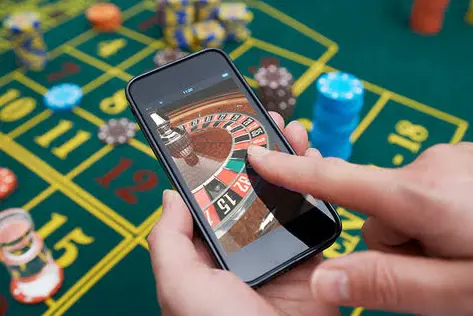
The Scratch-Off Trap: Sunk Cost and the Illusion of Near Misses
Here is the hardware-level truth nobody in the retail chain wants you to internalize: scratch cards are engineered around near-miss psychology, not fair probability. The print layout deliberately places matching symbols one cell apart, or shows two of three required icons with the third obscured. This is not random design — it is a calibrated dopamine trigger. From an algorithm standpoint, the outcome is already fixed at the moment of printing; your scratching is pure theater. 🎯
Instant Win Digital Cards: Where the Odds Get Even Uglier
Digital instant win games hide the same math behind a server-side RNG, but with one critical difference: the operator can adjust the volatility and hit frequency in real time. A physical card has a fixed prize pool. A digital scratch card can run a dynamic RTP that shifts based on player behavior, session length, and promotional targeting. If you think the odds are static, you are wrong. The house edge on some digital instant wins creeps past 30%, which makes the retail version look generous by comparison.

The Only Scenario Where Buying Makes Any Sense
There is exactly one mathematically defensible reason to buy: entertainment value priced below your disposable threshold. If a $2 card gives you three minutes of genuine fun, that is a $40/hour entertainment rate — cheaper than a movie ticket. But the moment you buy for profit, you are fighting a negative-expectation wall that no strategy can breach. No pattern in the foil, no "lucky store," no hot streak changes the underlying return-to-player percentage. The cards are not due. The machine does not remember you.
Reading the Fine Print Like an Auditor
Look for the total prize pool disclosure and the number of tickets printed. Divide the total prizes by ticket count, then weight each tier by its payout. If the card does not disclose both numbers, assume the worst. Cards that hide the pool size are almost always running an RTP below 60%. Also check whether the top prize has already been claimed — many jurisdictions require a public list, and a claimed jackpot means the remaining RTP has collapsed. 🧮