Neighbor Zero Bet: How Do You Place It?
The neighbor zero bet is a nine-chip wager that covers the zero and both adjacent numbers on each flank of the wheel — 22 and 26 on the European single-zero layout — and if you are still scattering chips across four separate bet boxes like a rookie, you are bleeding value on every spin. This is a pure neighbor zero bet play, and the entire point of it is speed and coverage in one motion. You are not buying a hot number. You are buying a five-pocket straddle on the wheel's most volatile real estate.
Here is the mechanic nobody explains properly: the neighbor zero bet is not the same as a straight-up zero bet, and it is not the five-number basket. Those are table-layout constructs. The neighbor zero bet is a wheel construct — it lives in sector territory, and the chips land on the felt as five straight-up positions: 22, 18, 29, 7, and 26, with zero sitting dead center in that cluster. Nine chips total. One chip on the zero. Two chips each on the four neighbors. Do the math and the payout structure suddenly makes sense: you are weighting the zero double, because it pays 35 to 1 and it is the anchor of the whole cluster.

The Two-Chip Neighbor Rule That Most Dealers Never Call Out
Announce "neighbor zero, nine chips" and the dealer will physically place two chips on each of the four flanking numbers and one on the zero. That is the standard call. But here is where sharp players split: some houses accept a one-chip variant that covers zero plus four neighbors with a single unit each — five chips total — and the house edge does not move, only the variance does. 🎯 The nine-chip version smooths the swing because the zero carries double weight. The five-chip version is a pure coverage play with a thinner hit frequency on the center pocket. Neither is a hedge. Both are sector bets, and sector bets carry the same 2.7% edge on a single-zero wheel as every other even-coverage wager — the wheel has no memory, and no neighbor cluster is "due."
What actually changes is your hit probability per spin. Five pockets out of thirty-seven is a 13.5% strike zone. That is a fat target compared to a single straight-up, and it is why the neighbor zero bet gets abused by players chasing action rather than edge. If the ball lands in 22, 18, 29, 7, or 26, you collect on two chips of a 35-to-1 payout — seventy units back on a nine-unit outlay. Land on zero and the double weight pays seventy as well. Land anywhere else and the whole cluster dies in one sweep. 😤 That is the brutal symmetry of it.
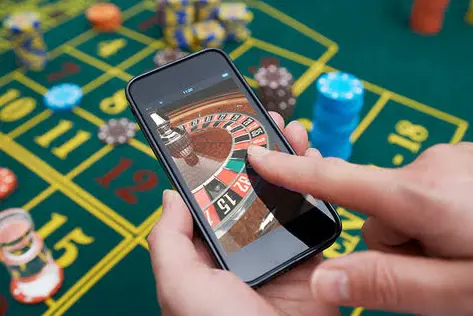
Wheel Geometry Is the Only Reason This Bet Exists
Physical wheel layout matters here, and anyone who tells you otherwise has never watched a croupier's release point. On the European wheel the zero sits between 26 and 32, but the neighbor cluster you are actually buying — 22, 18, 29, 7, 26 — is not a contiguous arc. It is a dealer-assisted call bet that the pit maps to specific felt positions. On American double-zero wheels, the neighbor zero bet is a different animal entirely because the 00 pocket fractures the geometry and the house edge leaps to 5.26%. Never place a neighbor cluster on a double-zero layout and pretend it is the same wager. It is not. The pocket count alone kills the math.
Track your hit rate over two hundred spins before you decide the cluster is "cold." 🎲 Variance on a five-pocket target is savage, and a forty-spin drought is statistically ordinary. The players who survive this bet are the ones who treat it as one tool in a sector arsenal — not a religion. Place it, log it, and let the pocket count speak.